Lunch Walk or Lunch Workout? The 3-Question Test That Decides It for You
Quick Answer: Decide with 3 questions: Did you sleep under 6.5 hours? Walk. Is your afternoon stacked with meetings? Walk. No shower access and a dress code? Walk — unless you can keep the workout below sweat threshold. A true workout wins only when sleep, schedule, and logistics all say yes. Both beat eating at your desk.
Every day at 11:45 you hold the same internal debate: be ambitious (workout) or be realistic (walk)? The debate itself costs more energy than either option — so here’s the flowchart version, decided in under ten seconds.

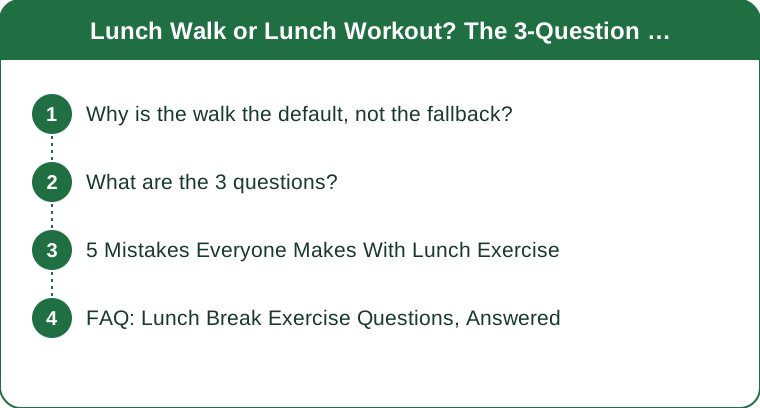
Why is the walk the default, not the fallback?
Because the lunch walk is criminally underrated. Thirty minutes of brisk walking reliably: counteracts the morning’s sitting, digests lunch better than a chair does, delivers the strongest known free fix for the 2-3pm slump, and — if you’re outdoors — adds the light exposure that helps regulate sleep that night.
Meanwhile its costs are nearly zero: no clothes change, no shower, no equipment, no recovery debt, and it adds mental bandwidth for the afternoon rather than borrowing from it.
A midday workout can beat the walk — but only when conditions support it. The walk never has a bad day. That asymmetry is why it’s the default and the workout is the earned upgrade.
What are the 3 questions?
Run them in order; any ‘yes’ sends you walking:
- Q1 — Sleep: under 6.5 hours last night? A hard midday session on short sleep usually produces a bad workout and a wrecked afternoon. Walk, and let tonight’s sleep buy tomorrow’s session.
- Q2 — Schedule: big meeting or deep-work block within 90 minutes after lunch? Intense exercise redirects blood and focus; you want your sharpest hour after a walk, not mid-recovery. Walk.
- Q3 — Logistics: no shower and a real dress code? Then intensity is capped anyway. Walk — or choose a below-sweat-threshold session: mobility work, easy strength circuits, technique practice.
All three clear? Green light: take the workout, guilt-free and pre-decided. The point isn’t that walks are superior — it’s that the decision now takes ten seconds instead of eating your morning.

5 Mistakes Everyone Makes With Lunch Exercise
1. Planning tomorrow’s workout while today under-slept. Optimism scheduling. The 3 questions exist precisely for 11:45, not the night before.
2. Skipping lunch to fit the session. Now you’re underfed and rushed — the afternoon bill arrives at 3pm. Eat something portable; the walk digests it, the workout demands it.
3. Going max-intensity in a 40-minute window. Commute, change, train, change back — the math leaves 20 usable minutes. Moderate circuits fit; hero WODs don’t. Design for the window you have.
4. Eating at your desk ‘to save time,’ then not moving at all. The null option is the only wrong answer in this whole article.
5. Treating the walk as failure. A daily 30-minute brisk walk is roughly 150 weekly minutes — the full baseline activity recommendation, hit entirely on lunch breaks. That’s not a consolation prize; that’s the assignment, completed.
Mistake #5 is the mindset one — fix it and the other four get easier.
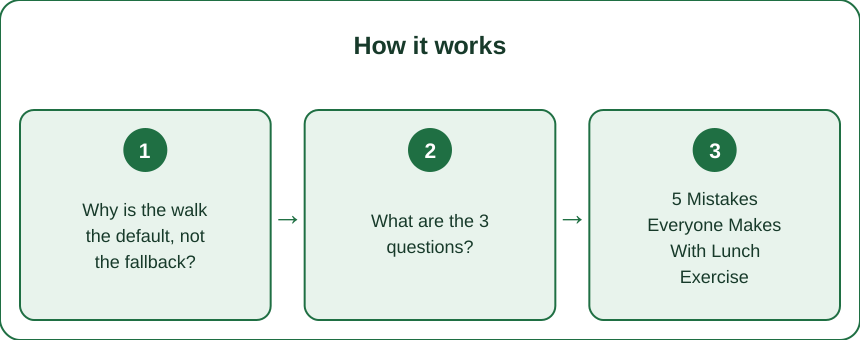
FAQ: Lunch Break Exercise Questions, Answered
How long after eating can I work out?
For real intensity, give a normal lunch 60-90 minutes — which most lunch windows don’t have. Practical pattern: train first, eat after, or split lunch (small bite before, rest after). Walking needs no gap at all — strolling after eating actually helps.
Is a 20-minute walk even worth it?
Yes — the slump-fighting and sitting-break benefits show up well under 30 minutes. Consistency across the week beats duration on any single day.
What’s the best no-shower workout that still counts?
Strength circuits at controlled tempo: goblet squats, rows, push-ups, carries — 3 rounds, moderate load, 60-90s rests. Strength doesn’t require sweat-dripping intensity to be effective; that’s what makes it the dress-code-friendly option.
TL;DR:
- Walk is the default (zero cost, reliable payoff); the workout is an earned upgrade
- Three questions at 11:45: short sleep? stacked afternoon? no shower + dress code? Any yes = walk
- Design workouts for the real 20-minute window, not the fantasy 60
- Daily lunch walks alone can hit the full 150-minute weekly activity baseline
The only losing move is the desk lunch with no movement — everything else on the menu wins.
Keep Reading
This article is for general informational and styling purposes only. Fit, sizing, and product availability may vary.