How to Do a Lunch Workout When It Is 95 Degrees Outside
Quick Answer: Move it indoors, cut the intensity by 20 to 30 percent, and front-load your hydration from the morning rather than trying to catch up at noon. Midday in late summer is peak UV and peak heat, so an outdoor high-intensity session is the one option to genuinely avoid. Everything else - stairwells, indoor circuits, a shaded walk, air-conditioned gym work - still works.
A shorter indoor session you complete beats a heroic outdoor one you regret at 3pm.
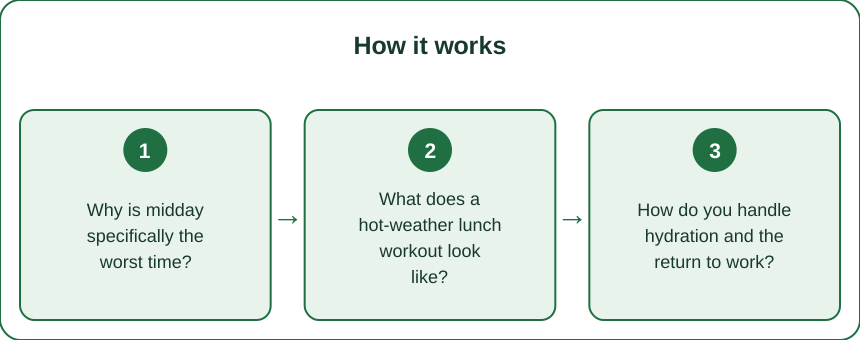
Why is midday specifically the worst time?
Because three things peak at roughly the same moment, and you are asking your body to work through all of them.
Temperature peaks between about 2pm and 4pm in most places, with 12pm to 1pm already close to the daily maximum. The morning low is often 15 to 20 degrees cooler.
UV index peaks between 10am and 4pm, with the highest readings right around solar noon. A 30-minute outdoor run at 12:30 in August is close to the maximum sun exposure available in a day, which matters for skin health independently of heat.
Your core temperature is already on its natural daily rise. Body temperature follows a circadian rhythm, climbing through the day and peaking in the late afternoon. You start a midday workout warmer than you would at 7am, which shrinks your margin before heat becomes a problem.
On top of the physiology, there is the practical issue: you have to go back to work. Heat strain does not end when the session does. Elevated core temperature, a heart rate that stays up, and mild dehydration all persist for a while, which is why a hot midday session so reliably produces a wrecked afternoon.
Humidity is the multiplier that people underestimate. Sweat cools you by evaporating. In high humidity, evaporation slows dramatically, so you sweat more and cool less. A 90-degree day at 70 percent humidity is far more dangerous than a 95-degree dry one, and heat index rather than temperature is the number to check.
What does a hot-weather lunch workout look like?
Move it inside if you possibly can, and adjust what you do.
Indoor options that need almost nothing:
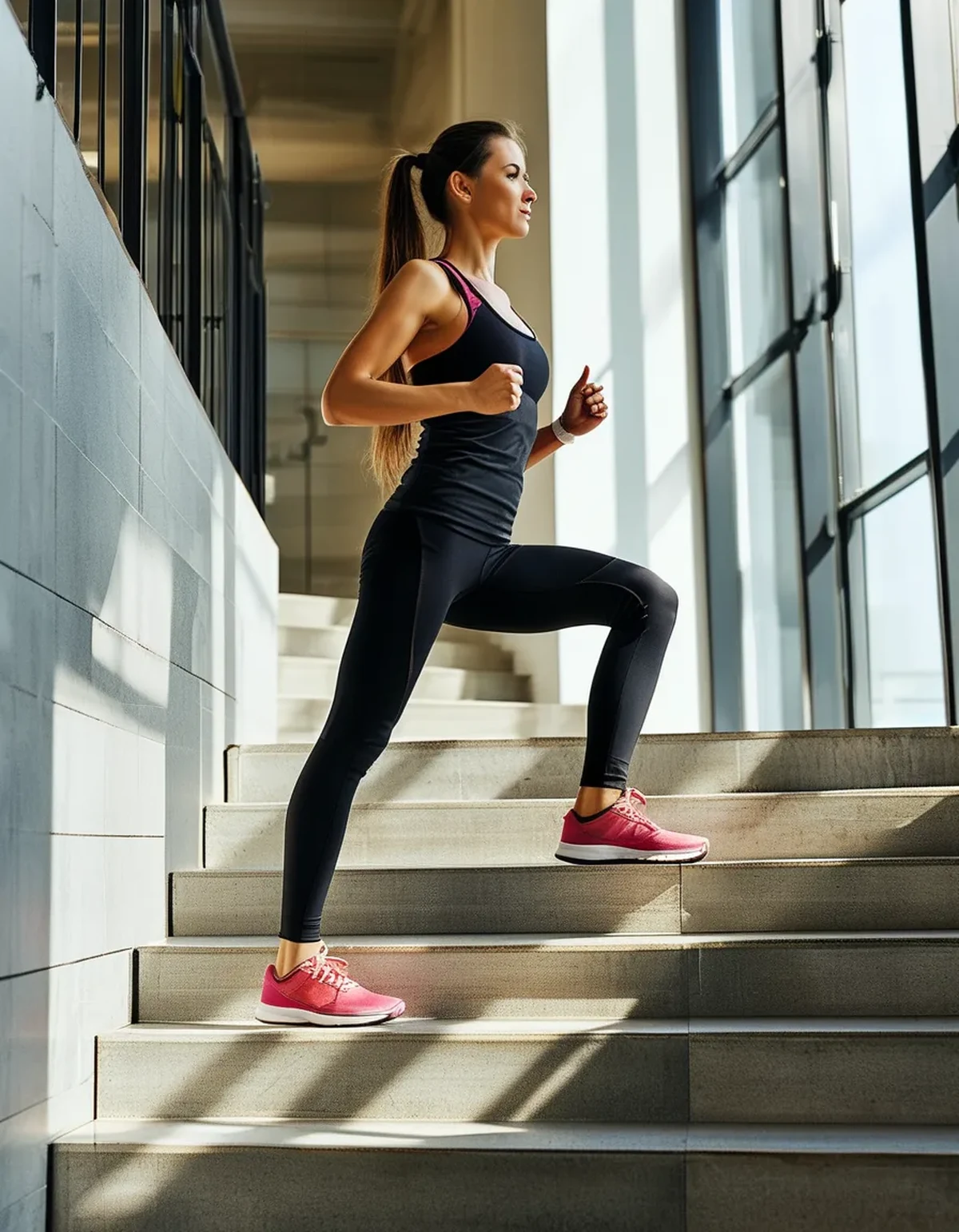
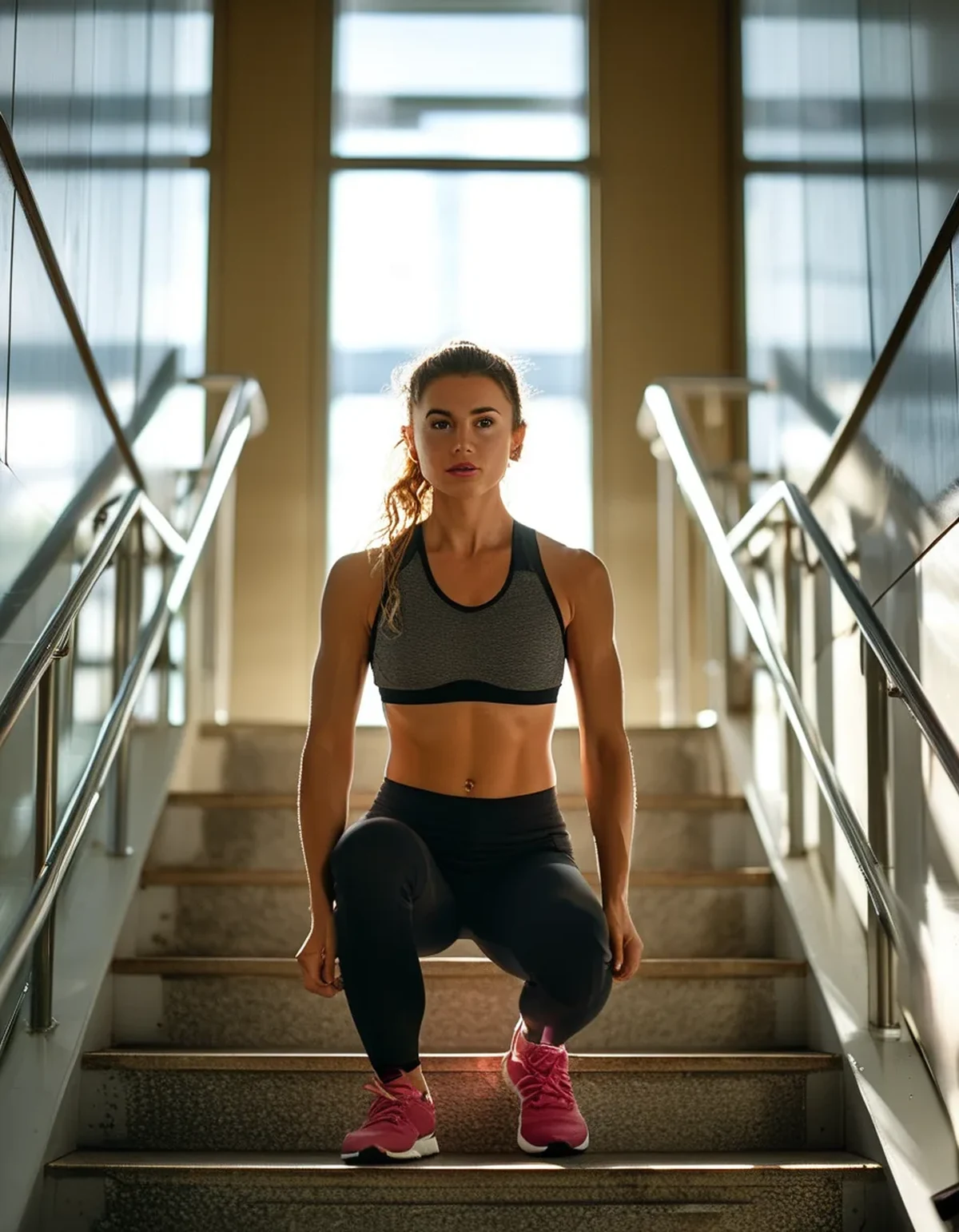
- Stairwell intervals. Most office buildings have air-conditioned stairwells, and they are among the most effective conditioning tools available. 10 sets of up-and-down with a minute rest is a genuine workout in 20 minutes.
- Bodyweight circuit in an empty meeting room. Squats, push-ups, lunges, plank, and glute bridges - three rounds is 15 minutes.
- Mall or building walking. Unglamorous, air-conditioned, and it accumulates real steps.
- The gym, if there is one nearby. Indoor strength work is essentially unaffected by outdoor conditions.
If you must be outside:
- Cut intensity by 20 to 30 percent. Heat raises heart rate at any given pace by roughly 10 beats per minute or more, so your normal pace is now a harder session than it was in May. Go by effort, not by pace.
- Find shade and pick a route with water. Shaded routes can feel 10 to 15 degrees cooler than open pavement.
- Shorten it. 20 minutes in the shade beats 40 in the sun.
- Walk rather than run. A brisk shaded walk in 95-degree heat is a perfectly reasonable session and it will not cost you your afternoon.
Adjust the goal for the season. Late summer is a poor time to chase personal bests outdoors. Treat July and August as maintenance and consistency months, and put the hard outdoor work back in when the mornings cool in September. Heat acclimatization takes 10 to 14 days, so if you are training outdoors consistently, the first two weeks are the hardest and it does get better.
How do you handle hydration and the return to work?
Hydration is a morning problem, not a noon one.
Front-load it. Drink steadily from when you wake - roughly 16 to 20 ounces across the morning before the session. Trying to hydrate in the ten minutes before you train does not work; the fluid has not been absorbed and it sloshes.
During: 4 to 8 ounces every 15 to 20 minutes for anything over 30 minutes in heat.
After: the practical guide is to drink until urine returns to pale straw. If you sweated heavily for over an hour, add sodium - an electrolyte tablet, or salt on your lunch. Plain water in large volumes after heavy sweating can leave you feeling worse rather than better.
The cool-down is not optional in heat. Five minutes of easy movement, then actively cool down before showering: cold water on wrists and the back of the neck, a cold drink, and a few minutes in air conditioning. Going straight from a hot workout into a hot shower keeps your core temperature elevated, which is why people continue sweating through the first hour back at their desk.
The realistic timeline for a 60-minute break:
- 0 to 5 min: change, drink 8 ounces
- 5 to 30 min: the session
- 30 to 35 min: cool-down and active cooling
- 35 to 45 min: rinse or wipe down, change
- 45 to 60 min: eat something with carbohydrate and protein, keep drinking
Eat something. Skipping lunch after a hot workout is the most reliable route to a 3pm collapse. Even a small amount of carbohydrate and protein makes a substantial difference to the afternoon.
5 Mistakes People Make With Hot Midday Workouts
1. Keeping the same intensity as spring. Heat raises heart rate significantly at any given pace. Running your usual pace in 95 degrees is a genuinely harder session, and treating it as equivalent is how people end up unable to function afterward.
2. Hydrating only at the session. Fluid taken at noon has not been absorbed by 12:10. The morning is when hydration is decided.
3. Hot shower straight after. It keeps core temperature elevated and you sweat through your work clothes for the next hour. Rinse cool, or at least finish cool.
4. Skipping lunch to save time. A hot workout plus no food is how a productive afternoon disappears. Eat something, even if it is at your desk.
5. Ignoring the heat index. 88 degrees at 75 percent humidity is more dangerous than 96 degrees dry, because sweat cannot evaporate. Check the heat index rather than the temperature, and know the warning signs - dizziness, nausea, headache, confusion, or stopping sweating. Those mean stop immediately and cool down. This is general information, not medical advice.
FAQ: Hot Weather Lunch Workout Questions, Answered
Is it ever too hot to train outside?
A heat index above roughly 103 degrees is where most guidance recommends avoiding strenuous outdoor exercise, and above 90 warrants real caution. Individual tolerance varies and medication, age, and health conditions all shift the threshold.
Can I just move my workout to the evening?
If your schedule allows, evening is cooler than midday though still warmer than early morning, and it comes with the trade-off that late intense exercise disrupts sleep for some people. Early morning is the best hot-weather window if you can manage it.
How long does heat acclimatization take?
Roughly 10 to 14 days of consistent exposure. Your body increases sweat rate, starts sweating earlier, and loses less sodium. It is real and it fades within a couple of weeks of stopping.
What should I wear?
Light colours, loose fit, and moisture-wicking synthetic fabric. A hat with a brim and sunglasses if you are outdoors. Cotton holds sweat against you and is the wrong choice in humidity specifically.
Do I need electrolytes for a 30-minute workout?
Usually not - water is fine under an hour. Beyond an hour in heat, or if you are a heavy or salty sweater, adding sodium is worth doing and makes a noticeable difference to how you feel afterward.
TL;DR:
- Midday in late summer stacks peak heat, peak UV, and your natural circadian temperature rise. It is the worst outdoor window.
- Move it indoors - stairwells, a meeting room circuit, or a gym - and the whole problem largely disappears.
- Outdoors, cut intensity 20 to 30 percent and go by effort, not pace. Heat adds 10-plus beats per minute at the same speed.
- Hydrate through the morning, not at noon. Cool down actively and rinse cool, not hot.
- Check heat index rather than temperature. Humidity, not heat, is what stops sweat from cooling you.
Treat late summer as a maintenance block. The personal bests are waiting in September.
Keep Reading
This article is for general informational and styling purposes only. Fit, sizing, and product availability may vary.